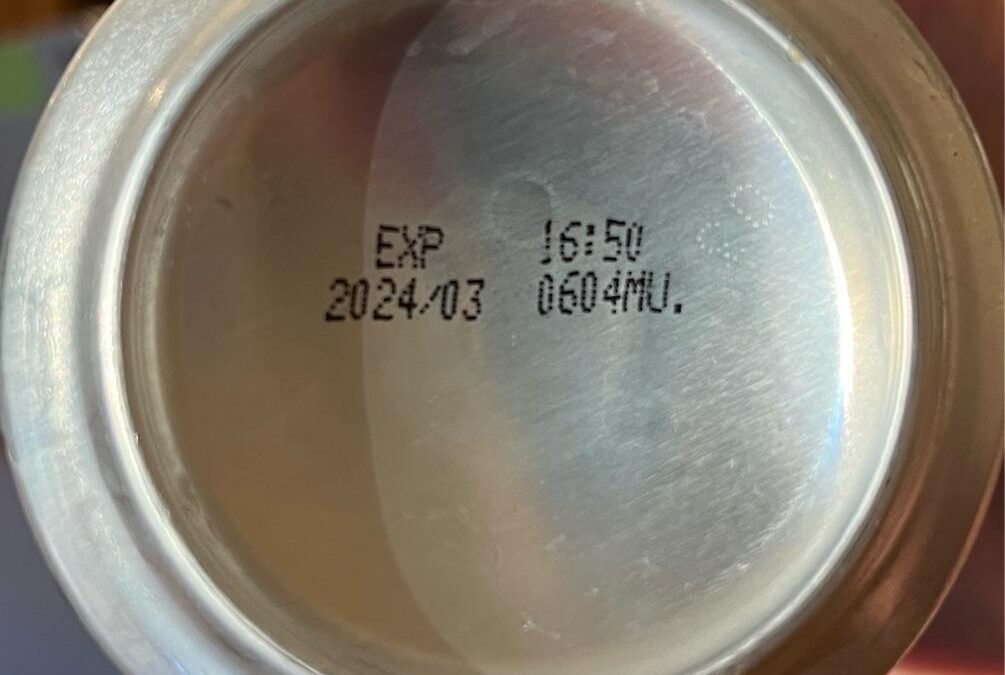
Walk into any beer store and you’ll eventually find yourself looking at the bottom of a can or the neck of a bottle.
There’s a date. Sometimes it’s easy to read. Other times it looks like it was printed by someone trying to hide a secret message.
That leads to one of the most common questions we hear: “does beer expire”?
Does beer expire?
The short answer is no—but why then are there expiration dates?
Unlike milk or other perishable foods, beer rarely becomes unsafe to drink simply because it has gotten older. Instead, time slowly changes its flavor, aroma, and overall quality. In other words, old beer is usually a quality issue, not a safety issue.
However, not every beer ages the same way.
Some beers are better enjoyed within a few weeks of packaging. Others can improve over several years.
So, how do you know which is which?
Does Beer Actually Expire?
Most beer doesn’t have an expiration date.
Instead, you’ll usually see one of three things:
- A packaged-on date
- A best-by date
- A coded production date
Those dates aren’t telling you when the beer becomes dangerous.
They’re telling you when the brewery believes the beer will taste its best.
Beer is a living product. The moment it’s packaged, oxygen, temperature, and time begin changing its flavor. Brewers spend months dialing in a recipe, so they also determine how long that beer represents what they intended people to drink. Sometimes we don’t even get the beer until it is a month or two after it is made.
Is Expired Beer Safe to Drink?
In most cases, yes.
If an unopened beer has been stored reasonably well, it’s unlikely to make you sick simply because it’s old. Alcohol, hops, and proper packaging help keep beer microbiologically stable. The bigger concern is that the beer simply won’t taste the best anymore.
Instead of bright hop aroma or crisp malt character, you might notice flavors that seem dull, papery, stale, or slightly like wet cardboard. Those are classic signs of oxidation.
That doesn’t necessarily mean the beer is “bad.”
It just isn’t at its best.
Which Beers Lose Freshness the Fastest?
Not all styles have the same shelf life. More importantly, different packaging and temperatures affect beer as well. Cans protect beer from light and oxygen the best, followed by brown bottles, green, then clear.
IPA and Hazy IPA
Hop-forward beers are the most time-sensitive.
Fresh hop aroma is one of the biggest reasons people buy these beers, and those aromas fade surprisingly quickly. Most breweries recommend drinking IPAs within a few months of packaging, with many enthusiasts preferring them even sooner.
If you’ve ever had an IPA that tasted muted or oddly sweet, age may be the reason.
Light Lagers and Pilsners
Lagers generally hold up better than heavily hopped beers, but freshness still matters.
A great pilsner should taste crisp and snappy. As it ages, those clean flavors become flatter and less vibrant.
Stouts, Barleywines, and Strong Ales
Here’s where things get interesting.
Higher-alcohol, malt-forward beers often age wayyy better.
Imperial stouts, barleywines, Belgian quads, and similar styles can develop deeper caramel, dried fruit, and sherry-like notes over time. In fact, some breweries intentionally design these beers to be cellared for months or even years.
How Can You Tell if Beer Has Gone Bad?
There are a few warning signs.
Ask yourself these questions:
- Does it smell like wet cardboard or paper?
- Has the hop aroma almost disappeared?
- Does it taste noticeably dull?
- Is the color much darker than expected?
- Was it stored somewhere hot for a long period?
If you answered yes to several of those, the beer has probably passed its peak.
Fortunately, that doesn’t happen overnight.
Beer gradually changes, which is why checking package dates can make a difference.
How to Keep Beer Fresh Longer
Good storage makes a bigger difference than many people realize.
To keep beer tasting its best:
- Store it cold whenever possible. (That’s why we have one the largest walk-in coolers you have ever seen)
- Keep it out of direct sunlight.
- Avoid repeated temperature swings.
- Store bottles upright. (some corked beers reccomend storing sideways, chimay though says to keep upright to prevent beer from becoming musty)
- Buy beer from retailers who rotate inventory regularly.
Heat is one of beer’s biggest enemies because it speeds up the chemical reactions that cause flavors to deteriorate. Light—especially through green or clear bottles—can also create the infamous “skunky” aroma many people have experienced.
Frequently Asked Questions About Beer Expiration
Does canned beer expire?
Not really. Cans protect beer from light extremely well, but the beer inside still changes over time. Freshness still matters just as much as it does with bottles.
Does refrigerated beer last longer?
Absolutely.
Cold temperatures slow the aging process and help preserve flavor much better than warm storage. Fermenting reactions slow down when cold.
Can you drink a two-year-old beer?
Yes, the taste however depends on the style.
A two-year-old imperial stout might be fantastic.
A two-year-old hazy IPA almost certainly won’t taste like the brewer intended.
Regardless, as long as the beer is unopened, it is safe to drink.
Why do breweries print “best by” dates instead of expiration dates?
Because they’re measuring quality rather than safety.
The date tells you when the brewery believes the beer is still showing the flavors it worked so hard to create.
Final Thoughts
So, does beer expire?
Technically, it is up for debate.
Practically, it’s more accurate to say beer loses freshness.
The good news is that most unopened beer remains safe long after its best-by date. The bad news is that some of the styles people get most excited about—especially fresh IPAs and hazy IPAs—are also the ones that lose their magic the fastest.
That’s why checking package dates has become second nature for some serious beer drinkers. Keeping them cold extends that period greatly. Thats why our cool beers go STRAIGHT to the cooler.
After all, if a brewery puts weeks of work into making a beer taste exactly right, it’s worth enjoying it while it’s still at its best.
Facebook Comments