
If you’ve ever traveled outside Pennsylvania, you’ve probably had the same reaction.
You walk into a grocery store, pick up a loaf of bread, a gallon of milk, and then notice an entire aisle of liquor.
Meanwhile, back home, you’re making two stops. One for beer. Another for liquor.
It’s enough to make tourists ask the same question every year: Why are Pennsylvania beer laws so different?
Well… Why are Pennsylvania beer laws so different?
The answer has less to do with beer itself than with history.
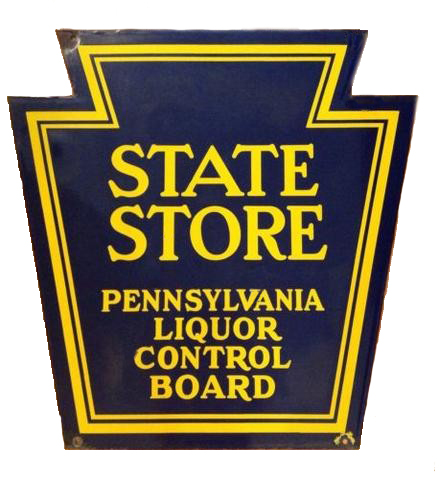
Many of Pennsylvania’s alcohol laws trace their roots back to the end of Prohibition in the 1930s. When national Prohibition ended in 1933, Pennsylvania chose a cautious approach. Rather than creating a completely open retail market, lawmakers established the Pennsylvania Liquor Control Board (PLCB) to regulate alcohol sales and maintain tighter control over distribution.
Although plenty has changed since then, many of those early ideas still shape how we buy alcohol today in the state.
Why Does Pennsylvania Have Beer Distributors?
This is probably the question we hear most often.
The short answer?
Pennsylvania developed a system that separated different parts of the alcohol business.
Beer distributors were created specifically to sell malt beverages for off-premise consumption, while state-owned Fine Wine & Good Spirits stores handled liquor and wine. Over time, restaurants, bars, grocery stores, and convenience stores gained additional privileges through various legislative changes, but each license still comes with its own rules.
As a result, Pennsylvania ended up with a retail system unlike almost anywhere else in the country.
For people who grew up here, it feels normal. For everyone else, it can be pretty confusing, kind of like why New Jersey has people who pump your gas.
Why Can’t You Buy Everything in One Place?
Years ago, the answer was simple. You couldn’t. Beer came from a distributor, wine and liquor came from a state store. Today, however, things are much more flexible.
Many grocery stores and convenience stores can sell beer and wine if they hold the appropriate license. Beer Distributors can also sell ready-to-drink spirit-based canned cocktails under recent updates to Pennsylvania law. At the same time, Fine Wine & Good Spirits stores continue to sell liquor and most wine, but NO BEER.
In other words, Pennsylvania has become much easier to shop than it was twenty years ago.
It’s just not as simple as many other states.
Why Didn’t Pennsylvania Just Change Everything?
Alcohol laws affect a lot of different groups. Breweries, beer distributors, restaurants, bars, grocery stores, state government, annnndd consumers.
Changing one part of the system often affects all the others.
Additionally, the PLCB returns hundreds of millions of dollars to state and local governments each year, making alcohol regulation more than just a retail issue. According to the PLCB, approximately $876 million was returned to government and other beneficiaries during fiscal year 2024–25.
Many United Food and Commercial Workers Union members are involved in jobs that could go away if many of these restrictive laws are taken away. In the same way, many of these beer distributors are family owned and the license itself holds incredible value, often many people’s retirements are tired with the selling of their license. Vastly increasing the number of licenses would decrease the existing licenses value. The hard part is finding a sweet spot that makes consumers, distributors, producers, and the government happy.
Consequently, changes tend to happen gradually instead of all at once.
Have Pennsylvania Beer Laws Changed?
Absolutely.
In fact, they’ve changed more during the past decade than many people realize.
Today you can:
- Buy beer at many grocery stores. (with a limit)
- Purchase single cans at licensed retailers.
- Buy six-packs, twelve-packs, cases, and kegs from beer distributors.
- Purchase many ready-to-drink canned cocktails at licensed beer retailers.
Those changes would have sounded unusual just fifteen years ago. Recent updates to the Liquor Code continue to expand what certain license holders can sell, while still keeping Pennsylvania’s unique licensing system in place.
Frequently Asked Questions About Pennsylvania Beer Laws
Why is liquor sold separately in Pennsylvania?
Because Pennsylvania still operates a control-state model in which the PLCB oversees liquor sales through Fine Wine & Good Spirits stores and licenses alcohol retailers.
Can beer distributors sell six-packs?
Yes.
Today’s distributor licenses allow beer to be sold in virtually any package configuration, including singles, six-packs, twelve-packs, cases, and kegs.
Can beer distributors sell canned cocktails?
Yes—many can, provided they hold the required ready-to-drink cocktail permit under Pennsylvania law.
Are Pennsylvania beer laws changing?
Yes.
While Pennsylvania’s system is still unique, lawmakers have gradually modernized it through multiple reforms over the last decade.
Final Thoughts
Pennsylvania’s beer laws can feel confusing, especially if you’ve recently moved here or you’re visiting from another state.
Nevertheless, there’s a reason they look the way they do. They’re the product of nearly a century of history, gradual reform, and a balancing act between public policy, consumer convenience, and the businesses that make up Pennsylvania’s alcohol industry.
The good news?
Buying beer in Pennsylvania has never been easier. Even so, if you’re ever unsure about where to find a particular beer, a case, a keg, or one of the newer canned cocktails, don’t hesitate to ask. We answer those questions every day, and chances are someone else has wondered the exact same thing.
While I might like to be able to grab some whiskey at work with my beers, we enjoy being able to carry such a wide variety of beers WAY more.
Cheers.
Facebook Comments