
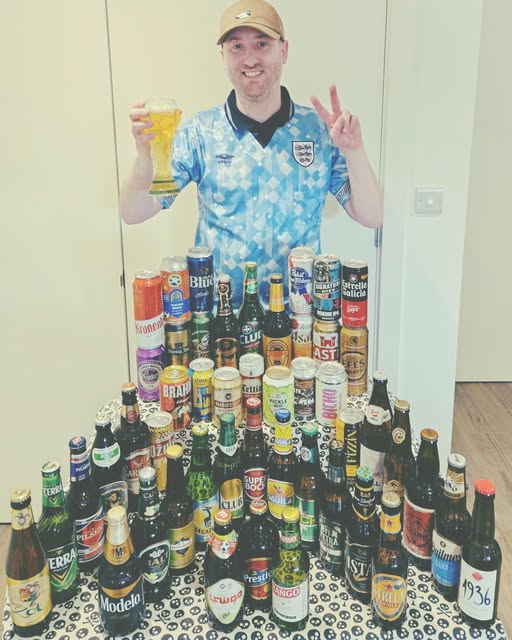
The 2026 FIFA World Cup is finally here.
For the first time ever, the tournament features 48 teams and is being hosted across three countries: the United States, Canada, and Mexico. By the time the final is played, there will have been 104 matches, making it the largest World Cup in history. Naturally, that got me thinking. What about World Cup Beers?
If countries get one representative on the pitch, what beer should represent them in your hand during the games?
This isn’t necessarily the best beer each country has ever produced. If we did that, Belgium alone would need an entire article. Instead, these are iconic beers we carry that represent some of the biggest beer-drinking nations in the tournament.
So grab a glass and let’s kick things off.
The Hosts: USA, Canada, and Mexico
United States – Michelob Ultra
Some craft beer drinkers are already preparing angry emails. Hear me out.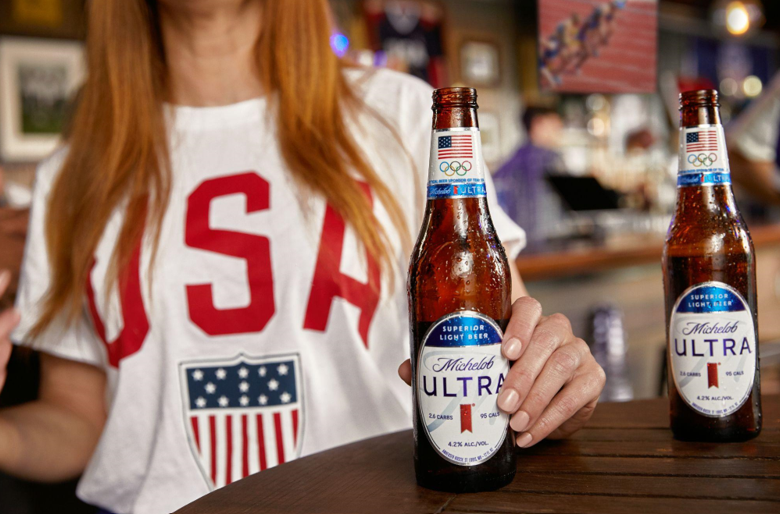
Michelob Ultra became the best-selling beer in America by volume in 2025, overtaking Bud Light and Modelo after years of steady growth.
Is it the most exciting beer in America? Absolutely not.
Is it the beer that best represents how Americans are drinking right now? Probably.
Light, crisp, low-calorie lagers continue to dominate summer drinking. When it’s 95 degrees outside and your team is heading into extra time, Michelob Ultra makes a lot more sense than a 17% BBA stout, save that for the victory after a 10pm game 😉
Canada – Moosehead Lager
Canada’s oldest independent brewery has been producing Moosehead since 1867.
That means they’ve been brewing beer since before Canada officially became Canada.
Moosehead is straightforward, dependable, and remarkably consistent. It doesn’t try to reinvent lager. Sometimes that’s enough.
Mexico – Pacifico
This was the toughest choice on the list.
Modelo. Victoria. Negra Modelo. Tecate. Dos Equis. Mexico has an absurdly strong beer lineup.
But if I could only pick one, I’m taking Pacifico.
Originally brewed in Mazatlán, Pacifico has become the unofficial beer of beaches, fishing trips, and summer afternoons. I just love seeing a pacifico with a lime, it feels like the beer equivalent of vacation.
Mexico might have the deepest bench of any country in this tournament.
Europe’s Beer Powerhouses
Germany – Köstritzer Schwarzbier
Germany gave the world lager.
It gave us pilsner’s ancestors, beer purity laws, beer halls, and countless brewing styles. A top contender for world cup beers.
For Germany’s representative, I wanted something a little different.
Köstritzer Schwarzbier is one of the world’s best-known black lagers. Despite its dark color, it drinks surprisingly light, with notes of toasted bread, coffee, and mild chocolate.
A lot of people assume dark beer automatically means heavy beer.
Köstritzer proves otherwise.
Belgium – Duvel
Belgium is basically the Brazil of beer (in relation to soccer of course).
You could make a legitimate argument for dozens of Belgian world cup beers here.
Westmalle. Orval. Chimay. Rochefort. La Chouffe.
I landed on Duvel because it perfectly showcases what Belgian brewing does best.
At 8.5%, it drinks far easier than it should as many belgians do. Fruity, spicy, dry, and smooth, Duvel has introduced generations of drinkers to Belgian strong ales.
Just remember that the alcohol content is playing a different game than your taste buds.
England – Old Speckled Hen
There are trendier English beers.
There are certainly hoppier ones.
But Old Speckled Hen remains one of England’s most recognizable exports.
The beer offers caramel malt, biscuit notes, and enough balance to remind you that not every beer needs to taste like something else.
It’s old-school English brewing at its best, and it lets you drink a ton at once.
Scotland – Tennent’s Lager
 If you’ve spent any time in Scotland, you’ve probably seen Tennent’s everywhere.
And I mean everywhere.
While Scotland is producing some excellent craft beer these days, Tennent’s remains a cultural institution. It’s the beer you’ll find at football matches, neighborhood pubs, and family gatherings across the country.
Not every national beer needs to be rare or complicated. When I traveled to Scotland, I went around and tried everything available, but my nights were always filled with vague memories of the tall Tennents glass.
Niche Favorites
France – Kronenbourg 1664
French beer doesn’t get nearly enough attention. Wine tends to steal all the headlines, which is fantastic don’t get me wrong.
Kronenbourg 1664 has been flying the flag for French brewing for decades. It delivers a clean lager profile with a touch more character than many international pale lagers.
It’s also one of the few beers on this list where nearly everyone recognizes the blue label before they’ve ever tasted it. The Blanc version is one of the very few beers that use a blue bottle as well.
Spain – Mahou Cinco Estrellas
Spain’s beer culture is massively underrated.
Walk into almost any bar in Madrid and you’ll see Mahou everywhere.
The brewery has been around since 1890 and remains one of Spain’s most recognizable beer brands. Crisp, balanced, and built for warm weather, it’s exactly the kind of beer you want while watching soccer on a patio.
Or football, depending on which side of the Atlantic you’re standing.
Japan – Asahi Super Dry
Few beers have changed brewing trends like Asahi.
When it launched in the late 1980s, its “super dry” profile helped redefine what modern Japanese lager could be.
Today, breweries around the world continue to chase that same clean, crisp finish.
Asahi remains one of the most refreshing lagers on the planet and one of the easiest beers on this list to pair with food.
Sushi gets all the attention.
Asahi deserves some credit too.
Which Country Wins The Beer World Cup?
That’s where things get controversial.
If we’re judging brewing history, Germany has a strong case.
If we’re judging diversity, Belgium might be untouchable.
If we’re judging summer-drinking lineup depth, Mexico deserves serious consideration.
Personally?
Belgium probably takes the trophy for world cup beers. 3Fonteinen really helps it take the cake. Cantillon as well.
No country has contributed more unique styles, influential breweries, and world-class beers per square mile.
But just like the actual World Cup, half the fun is arguing about the results.
So who wins your Beer World Cup?
Facebook Comments