
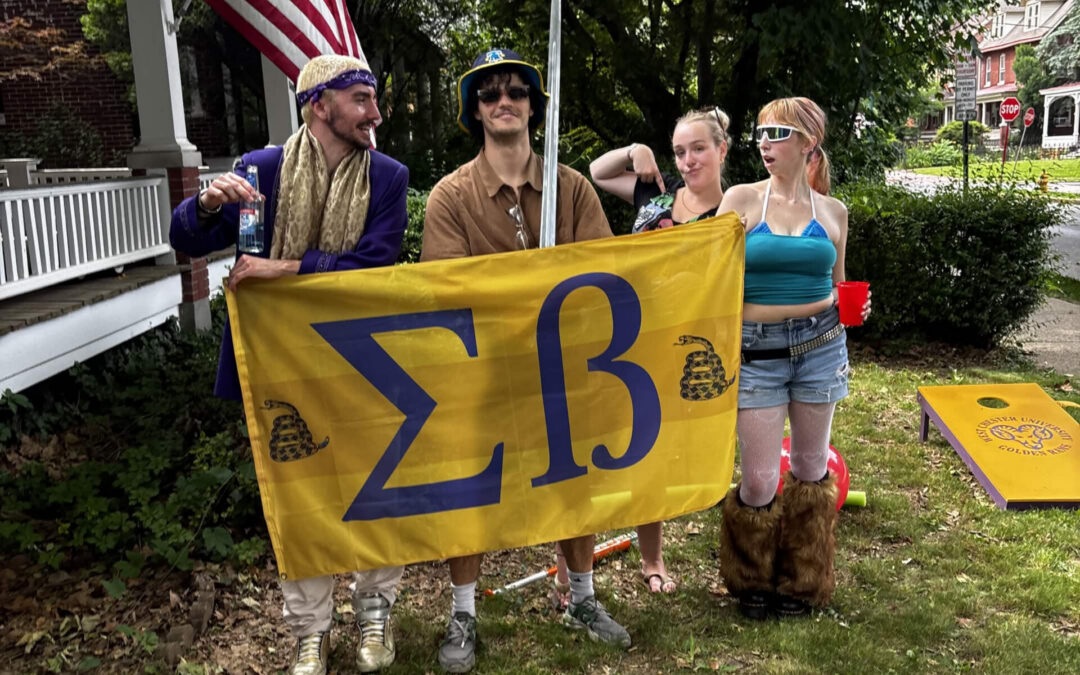
For the last few years, it seems like every other headline about alcohol has had the same message: Gen Z doesn’t drink.
It’s a good headline. It’s also a little too simple.
The latest data paints a more interesting picture. Gen Z drinking habits are changing, but that doesn’t necessarily mean Gen Z is walking away from alcohol. In fact, the number of legal-drinking-age Gen Z consumers drinking alcohol has been climbing in several markets, including the United States. At the same time, younger drinkers are becoming more selective about what they drink and how much they have.
So what’s actually happening?
Are Gen Z Drinking Less?
This is where things get confusing.
For a while, the answer seemed pretty straightforward. Surveys showed younger adults drinking less often and taking more breaks from alcohol. That led to plenty of headlines about Gen Z becoming the “sober generation.”
There was some truth behind that.
IWSR found that U.S. Gen Z alcohol participation rose from 46% in 2023 to 70% in 2025. More recent 2026 data shows Gen Z’s participation across IWSR’s 15 key markets has reached 74%, up from 66% three years earlier.
That’s not exactly what you’d expect if an entire generation was simply giving up drinking. However, there’s another side to the story.
Gen Z is still more likely than older generations to experiment with periods of abstinence. In September 2025, 53% of Gen Z drinkers across IWSR’s 15 markets said they had taken a break from alcohol, compared with 39% of drinkers overall. So both things can be true.
More Gen Z adults are drinking, while many Gen Z drinkers are also trying to control how much they drink.
That’s probably a better description of the generation’s relationship with alcohol than simply saying they drink or don’t drink.
Gen Z Drinking Habits Are Becoming More Selective
The biggest change might not be whether Gen Z drinks. It might be what they choose when they do.
IWSR found that the average number of beverage categories Gen Z consumers drank during an occasion fell from 2.8 to 1.8 over two years. In other words, younger drinkers are becoming less likely to bounce between beer, wine, spirits and RTDs all in the same night.
If you’re going out and plan to have two drinks, you might actually care more about those two drinks. That fits another trend we’ve seen across the industry: moderation isn’t necessarily about stopping drinking. Sometimes it’s about drinking less and making the drinks you do have count.
Why Are RTDs So Popular With Gen Z?
This is where things get particularly interesting for the beer and beverage industry.
Ready-to-drink cocktails have exploded over the last several years. They’re convenient, easy to understand and come in flavors that don’t require much explanation. You don’t have to know anything about cocktails to understand a vodka lemonade. You don’t need a bartender to make it or even need a glass.
IWSR found that RTDs are especially popular with younger consumers. In 2025, 57% of U.S. RTD consumers were Millennials or Gen Z, and 55% of U.S. RTD drinkers described themselves as frequent consumers, meaning they drink RTDs at least once a week. There’s another interesting number in that same research.
When IWSR asked Gen Z consumers what they would have chosen before they started drinking RTDs, 40% said beer. That doesn’t mean Gen Z hates beer. It does suggest that beer isn’t automatically the default choice it once was.
What About Beer?
Beer still has plenty of young drinkers. The problem is that beer has to compete with a much larger selection of alternatives than it did a generation ago. Walk into our beer store today and you don’t just have lagers, ales and IPAs.
You’ve got hard seltzers, canned cocktails, vodka lemonades, tequila-based drinks, no-alcohol beer, lower-ABV options, drinks that taste like fruit punch and drinks that taste like an actual cocktail. That gives younger consumers more ways to find something they actually enjoy.
Beer also has an advantage that shouldn’t be overlooked. It’s incredibly diverse. Someone who says they don’t like beer might mean they don’t like light lager. Or IPA. Or wheat beer. Or dark beer. Give that same person a pilsner, a hazy IPA, a sour or a Belgian-style ale and you might get a completely different answer.
For craft beer, that variety is still one of its biggest strengths.
The Health Question
Health and wellness are also part of the conversation.
IWSR’s research shows that moderation has become a mainstream behavior across generations, not just something unique to Gen Z. People are drinking less on individual occasions, taking temporary breaks and increasingly choosing no- and low-alcohol drinks.
That doesn’t mean every Gen Z drinker is counting calories or avoiding alcohol. It means the decision to drink has become a little more deliberate. Someone might have a couple beers on Saturday and skip drinking on Sunday. Someone else might have a regular cocktail but choose a lower-ABV drink later. Another person might alternate between an alcoholic drink and a non-alcoholic one.
There isn’t one version of moderation.
So Why Did We Get the “Gen Z Doesn’t Drink” Story?
Because there was a real shift. The mistake was turning that shift into a permanent identity.
In 2023, younger drinkers were pulling back from alcohol. Some of that was connected to health and wellness. Some was economic. Some was simply a change in social habits during Covid.
For the last few years, it seems like every other headline about alcohol has had the same message: Gen Z doesn’t drink.
But the behavior hasn’t stayed frozen.
IWSR’s 2026 research says Gen Z alcohol participation has stabilized at 74% across its 15 key markets, nearly matching the 76% rate for the overall adult population.
At the same time, the U.S. alcohol market as a whole declined by 5% in volume during 2025. Beer dropped 6%, while spirits-based RTDs actually grew 14%.
That tells us something important.
People aren’t simply replacing drinking with not drinking.
They’re changing what drinking looks like.
What Gen Z Drinking Habits Could Mean for Beer
The next few years should be pretty interesting.
If younger consumers continue to drink, but drink more selectively, breweries and beverage companies can’t rely on people buying whatever is familiar.
The beer has to be good. The package has to make sense. The style has to give people a reason to choose it. That’s especially important for craft beer.
A drinker who only plans to have one or two beers might be more willing to spend money on something interesting. At the same time, someone who wants a lighter experience has more options than ever. That could mean more sessionable beers, more interesting lagers, more non-alcoholic options, more RTDs. More variety overall.
And probably fewer people who feel like they have to stick with one category.
So, Does Gen Z Drink?
Yes.
The latest numbers don’t support the idea that Gen Z has simply abandoned alcohol. More legal-drinking-age Gen Z consumers are participating than the headlines from a few years ago might suggest.
At the same time, younger drinkers are clearly changing the way they approach alcohol.
They take breaks, drink more selectively, have more options, and are more willing to switch between alcoholic and non-alcoholic drinks.
When they do drink, they’re increasingly choosing the category and product that fits what they actually want at that moment.
That’s probably the real story behind Gen Z drinking habits.
It’s not that Gen Z stopped drinking.
They just stopped treating drinking like something they have to do the way previous generations did at their age.
FAQ: Gen Z and Alcohol
Do Gen Z drink alcohol?
Yes. Recent IWSR research shows that alcohol participation among legal-drinking-age Gen Z consumers has increased from previous lows, although participation varies significantly by country. In the U.S., participation rose from 46% in 2023 to 70% in 2025.
Are Gen Z drinking less alcohol?
In some ways, yes. Gen Z remains more likely to take temporary breaks from alcohol and is becoming more selective about the number of beverage categories consumed during an occasion. However, that doesn’t mean fewer Gen Z adults are drinking at all.
Why are RTDs popular with Gen Z?
RTDs offer convenience, recognizable flavors and a wide range of styles without requiring preparation. IWSR reports that RTDs skew toward younger consumers, with Gen Z and Millennials making up 57% of U.S. RTD consumers in 2025.
Is Gen Z drinking beer?
Yes, but beer now competes with a much wider range of alcoholic drinks. IWSR found that 40% of U.S. Gen Z consumers who drink RTDs said beer would have been their previous choice before adopting RTDs.
Are Gen Z more interested in moderation?
Gen Z has shown strong interest in moderation and temporary abstinence, although the trend is more nuanced than simply becoming a “sober generation.” In 2025, 53% of Gen Z drinkers across IWSR’s 15 markets reported taking a period of abstinence.
Beer Deals this week:
Natural Lt 30pk – $16.99
Busch Lt 16oz – 12pk – $9.99 Case – $17.99
Prima Lt – 6pk – $6.99 Case – $17.99
Whiteclaw 24pk Variety – $35.99
High Life 1/2 Keg – $81.99
Facebook Comments