
Walk down the cooler aisle today and you’ll notice something that didn’t exist ten years ago.
One section is packed with hard seltzers. The next is filled with canned margaritas, vodka sodas, ranch waters, old fashioneds, and just about every cocktail you can imagine.
At first glance, they all look pretty similar. They’re canned and most have fruit on the label. It’s easy to assume they’re basically the same drink.
They’re not.
One of the questions we hear most often is:
“What’s the difference between a hard seltzer vs canned cocktail?”
Let’s take a closer look.
What Is a Hard Seltzer?
Most hard seltzers are made by fermenting cane sugar or a malt base. That alcohol is then blended with carbonated water and flavorings to create a light, refreshing drink. Most sit around 4% to 6% ABV, putting them in the same neighborhood as many light beers.
Think White Claw, Truly, or Happy Dad.
Most strive for bubbly refreshment, some strive for complexity like with Press Seltzers. Fun flavors and botanical-esque mixes.
They’re crisp, lightly flavored, and easy to drink on a hot afternoon.
What Is a Canned Cocktail?
A canned cocktail is exactly what it sounds like: a ready-to-drink mixed drink.
Unlike most hard seltzers, many canned cocktails are made with distilled spirits like vodka, tequila, rum, or whiskey. They’re mixed with juices, soda, tonic, or other ingredients before being canned. Some are sparkling, while others are completely still.
Because they’re spirit-based, canned cocktails often contain more alcohol than a typical hard seltzer. It’s common to see them ranging from 6% to 13% ABV, although every brand is different.
That’s why it’s worth reading the label before cracking one open.
Which One Gets You Drunk Faster?
This is probably the biggest misconception. People often assume a can equals one drink.
Not always.
A 12-ounce hard seltzer at 5% ABV contains about one standard drink. A canned cocktail that’s 10% ABV in the same size can contains roughly twice as much alcohol. In other words, one can may equal two drinks even though it doesn’t look much different.
So, it’s not that canned cocktails magically “hit harder.” They often just contain more alcohol.
Do Hard Seltzers Give You Worse Headaches?
You’ve probably heard someone say:
“White Claw gives me a headache.”
Someone else will swear it’s tequila.
Another person blames sugary cocktails.
The truth is, there isn’t good evidence that hard seltzers consistently cause worse headaches than other alcoholic drinks. Most hangovers come down to factors like total alcohol consumed, dehydration, sleep, whether you ate beforehand, and your own body chemistry—not simply whether the alcohol came from a seltzer or a canned cocktail. Sugar in any drink will begin to dehydrate you, anything with alcohol will work double time to make you parched.
That said, it’s easy to underestimate how much you’re drinking. If one canned cocktail contains nearly twice the alcohol of your usual hard seltzer (or 3x if you go for the Top Dog Cocktails like me), you might feel the effects sooner than expected.
Sometimes the can gets blamed when the alcohol content is the real difference. All the more reason it is so important to drink water before, during, and after a night of fun and tipsy adventures.
Are Hard Seltzers Healthier?
Not exactly.
Hard seltzers are often lower in calories, carbohydrates, and sugar than many mixed drinks, which is one reason they’ve become so popular. However, alcohol is still alcohol. Lower calories don’t automatically make something “healthy.” Many calories in alcoholic drinks are strictly from the alcohol itself, unavoidable if you’re looking to get tipsy and have a good time.
Instead of asking which one is healthier, it’s probably more useful to ask which one fits what you’re looking for.
Which One Tastes Better?
There’s no right answer here.
If you want something light, bubbly, and easy to sip by the pool, a hard seltzer is tough to beat.
If you’re craving the flavor of a real margarita, vodka soda, ranch water, or whiskey cocktail without mixing ingredients at home, canned cocktails usually deliver a more authentic drinking experience. Pour it into a glass and no one is the wiser.
Neither category is replacing the other. They’re simply designed for different occasions.
Which Should You Bring to the Beach, Golf Course, or Cookout?
Here’s a simple rule of thumb.
Hard seltzers shine when you plan to have a couple drinks over several hours. They’re light, refreshing, and generally lower in alcohol. Nearly all of them are gluten free and on the lower end of the price spectrum.
Canned cocktails make more sense when you want the flavor of a mixed drink without bringing bottles, mixers, and ice. Just remember to check the ABV before assuming every can is the same. These usually elevate the vibe of the night as they are priced higher and tend to have more elaborate flavors than traditional seltzers.
Frequently Asked Questions
Are canned cocktails made with real liquor?
Many are. Most use distilled spirits like vodka, tequila, rum, or whiskey, although some ready-to-drink beverages use a malt base instead. The label will tell you which type you’re buying. Some get creative with niche spirits such as gin in a Long Drink.
Do hard seltzers contain beer?
Usually no, but many are produced using fermented sugar or malt, depending on the brand. They aren’t sparkling water with vodka added.
Which has more calories?
Most hard seltzers land around 100 calories per can. Canned cocktails vary much more because they often include juice, syrup, or higher alcohol levels. Always check the nutrition label.
Is the headache just placebo?
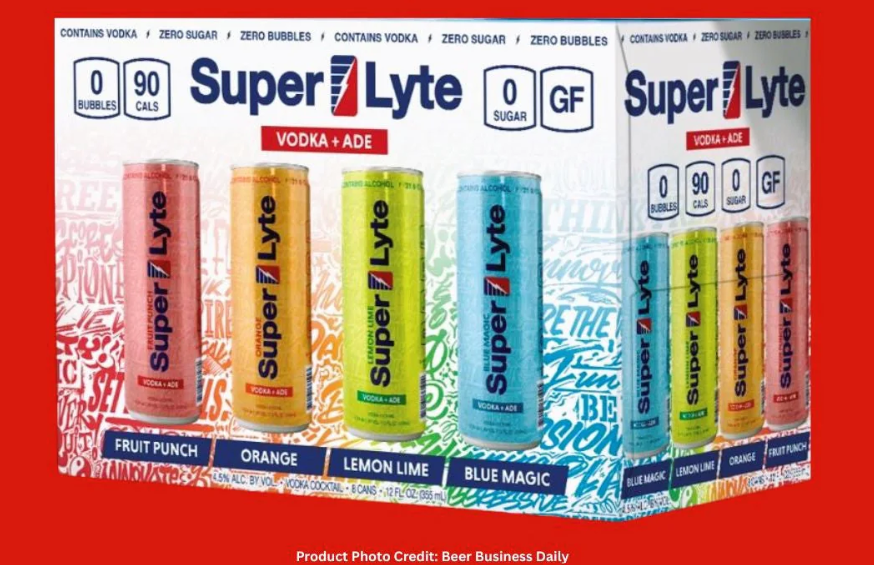
For most people, probably not—but it’s also probably not the specific drink. Differences in alcohol content, hydration, sleep, food intake, and individual tolerance are much more likely explanations than whether the can says “hard seltzer” or “canned cocktail.” Some attribute fewer headaches to electrolytes when drinking superlytes from Stateside. I may have to test this by drinking 2 or 10 this weekend.
Final Thoughts
Hard seltzers and canned cocktails share cooler space, but they’re built for different drinkers and different occasions.
One focuses on being crisp, light, and refreshing without getting too fancy.
The other aims to recreate your favorite mixed drink in a portable can.
Neither is objectively better. The best choice depends on what you’re in the mood for, how much alcohol you want to consume, and where you’re headed.
If you’re standing in front of the cooler trying to decide, don’t just look at the fruit on the label. Check what’s inside the can. You might be surprised how different two drinks that look nearly identical really are.
Facebook Comments