Why Beer Glass Shapes Actually Matter
I knew some glasses were shaped for specific reasons, but I wasn’t exactly sure why. At first, I figured it had something to do with smell or maybe the ratio of beer to foam. That idea wasn’t completely off. However, the real answer goes deeper once you start paying attention.
Glass shape directly affects how a beer smells, tastes, and even holds its carbonation.
Aroma Is the Biggest Factor
 To start, aroma drives more flavor than most people realize. In fact, a large portion of what you taste comes from what you smell.
Because of that, glass shape matters.
Wide, open glasses allow aroma to escape quickly. On the other hand, glasses that taper inward trap those aromas near the top. As a result, every sip carries more intensity.
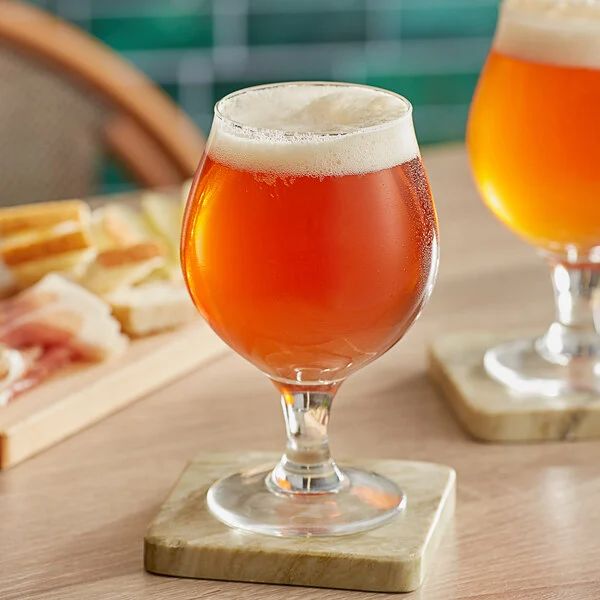
For example, tulip-shaped glasses feature a curved body and a narrower rim. That design helps “capture the aroma” and push it toward your nose while drinking.
Foam Actually Has a Job
 Next, foam plays a bigger role than most people expect.
A proper head protects aroma and controls how beer hits your palate. Therefore, certain glasses are built to support it.
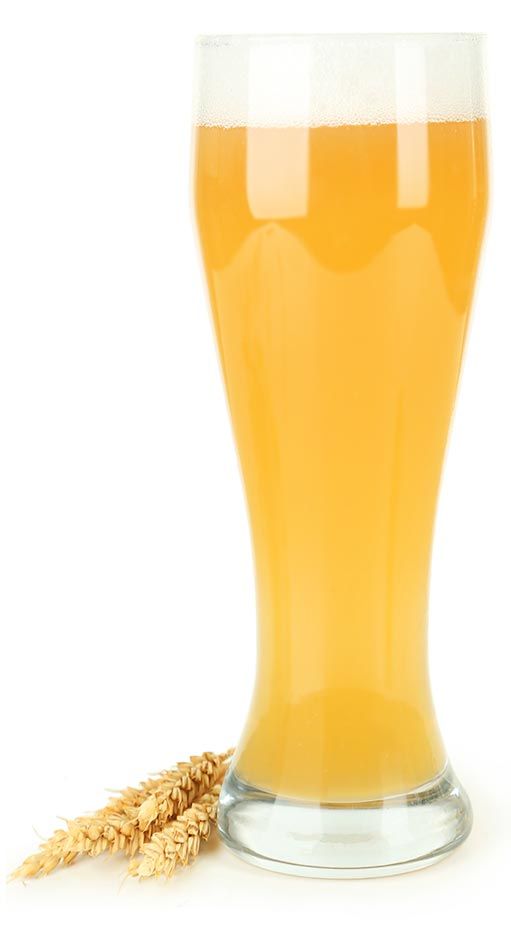
Take a weizen glass. It curves outward near the top, which helps hold a thick, fluffy head and keeps those signature banana and clove aromas in place.
Similarly, many specialty glasses include nucleation points – tiny etched spots at the bottom. These create a steady stream of bubbles and help maintain carbonation over time.
Temperature Changes Faster Than You Think
Another factor people overlook is temperature.
Wider glasses expose more beer to air, which causes it to warm faster. In contrast, narrower glasses slow that process down and help maintain a colder pour.
Some glasses even include stems. That design keeps your hand from warming the beer too quickly.
As a result, lighter beers like pilsners benefit from tall, narrow glasses that preserve both carbonation and temperature.
Different Beers, Different Problems
At this point, the variety starts to make sense.
Each glass solves a specific problem:
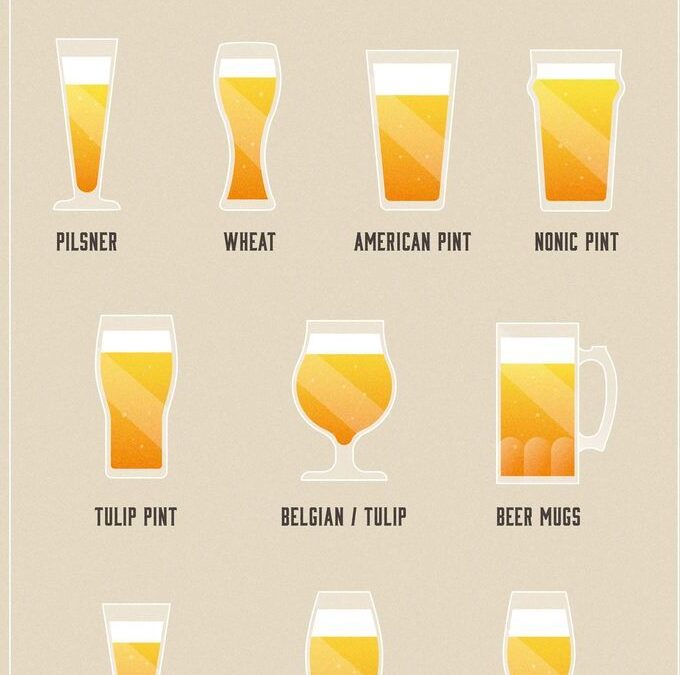
- Pilsner glasses highlight clarity and carbonation while maintaining head
- Tulip glasses trap aroma and support foam for stronger beers
- Weizen glasses handle large foam and intense yeast-driven aromas
- Snifters allow swirling, which releases hidden aromatics in stronger styles
Instead of being random, these shapes are built around how each beer behaves in the glass.
The Pint Glass Reality
Now for the part most people don’t expect.
The standard pint glass doesn’t really excel at anything.
It works because it’s durable, stackable, and easy to use. However, it doesn’t trap aroma well or support foam the same way more specialized glassware does.
That said, it’s still completely fine to use. Most people drink out of pints every day and enjoy their beer just as much.
A Quick Note on the “Fancy” Stuff
If you’ve gone down the rabbit hole at all, you’ve probably seen companies like Pretentious Glass Co..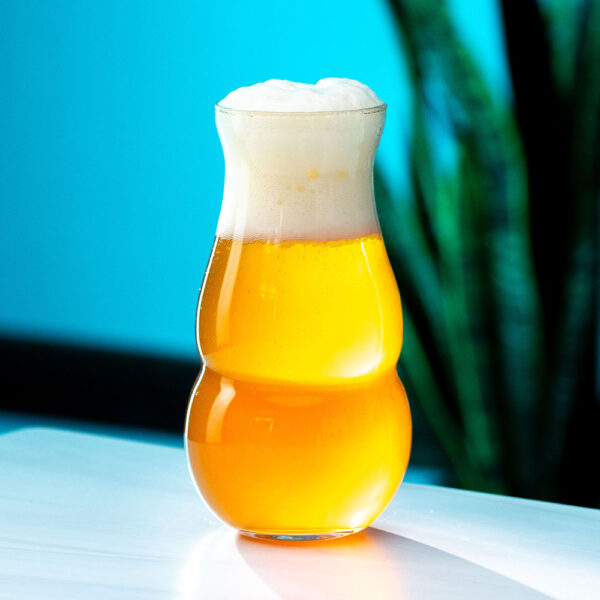
They make some genuinely cool pieces. Each glass is hand-blown and designed to highlight specific characteristics in beer.
At the same time, they’re expensive. Like, very expensive.
So yes, they look incredible. However, you don’t need a $50 glass to enjoy a beer the right way.
At the End of the Day
Glassware matters more than most people think, but it doesn’t need to be complicated.
A better glass can improve aroma, control foam, and keep your beer at the right temperature. Still, the difference isn’t make-or-break for most situations.
If you’re curious, try the same beer in two different glasses. You might even notice it pretty quickly.
Many beer bars that are educated on this difference make sure to get you the right glass. I personally love a tripel in a stemmed glass.
If you ever want a pint glass, feel free to ask. There’s might be one lying around somewhere.
Facebook Comments