
The Complete Guide to Stout Beer: History, Styles, and What Makes Them Special
Pour a stout beer into a glass and watch the cascade. Dark, almost black liquid settles beneath a thick, creamy head that clings to the sides as you drink. The aroma hits you first—roasted coffee, dark chocolate, sometimes a hint of smoke. This is stout beer, one of the most misunderstood and rewarding styles in the craft beer world.
If you’ve ever wondered what makes stout beer different from other dark beers, or why there are so many varieties, you’re in the right place. This guide covers everything from the 18th-century origins of stout to the modern pastry stouts that taste like liquid dessert. Whether you’re new to stouts or looking to deepen your appreciation, let’s explore what makes this style so special.
What Is Stout Beer?
Stout beer is a dark ale known for its rich, roasted flavors and full body. The defining characteristic of any stout is roasted barley—barley that’s been heated until it’s nearly black, similar to how coffee beans are roasted. This process creates the deep color and those distinctive coffee and chocolate notes you taste in every sip.
Unlike many dark beers that get their color from dark malts, stouts specifically use roasted unmalted barley. This ingredient gives stouts their signature bitterness and dry finish, even in sweeter variations of the style. The roasted barley also contributes to the beer’s darker appearance, though stout beer isn’t always completely opaque—some lighter versions have a deep ruby hue when held up to light.
Most stouts range from 4% to 7% alcohol by volume, though imperial and specialty versions can reach 12% or higher. The body varies from light and crisp in dry Irish stouts to thick and chewy in imperial and pastry stouts. What unites them all is that roasted character—the backbone of what makes a stout a stout.
The flavor profile typically includes notes of coffee, dark chocolate, and toast, with some versions adding caramel, toffee, or even fruity esters depending on the yeast and brewing technique. Modern craft brewers have expanded this palette significantly, but the foundation remains the same: roasted barley creating complex, dark flavors.
The History of Stout: From London to the World
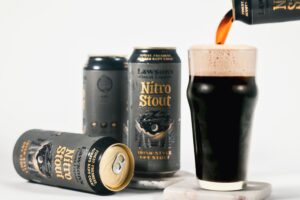
The story of stout beer begins in early 18th-century London, though not as a separate style at first. The word “stout” originally meant strong or brave, and brewers used it to describe stronger versions of existing beers. A “stout porter” was simply a more robust porter—the dark beer that was wildly popular among London’s working class, particularly the porters who carried goods at markets and docks.
Porter itself emerged around 1722, created by London brewers who were experimenting with dark malts and aged hops. The style became so popular that breweries began offering different strengths. The strongest versions were called “stout porter,” and by the late 1700s, brewers started dropping “porter” altogether, creating stout as its own category.
The real turning point came in 1759 when Arthur Guinness signed a 9,000-year lease on a brewery at St. James’s Gate in Dublin. By the 1770s, Guinness had begun brewing porter, and by 1799, the brewery decided to focus exclusively on porter and stout production. Irish brewers, including Guinness, developed what became known as dry Irish stout—a less sweet, more bitter version than the English stouts of the time.
Guinness’s version featured roasted unmalted barley, which was partly a response to taxes on malted barley in Ireland. This innovation created a dryer, more coffee-like flavor profile that became the template for Irish stout. By the mid-1800s, Guinness was the largest brewery in Ireland, and by 1886, it was the largest in the world. Export stouts were brewed stronger to survive long sea voyages, leading to the development of foreign extra stout and tropical stout varieties. These versions were particularly popular in the Caribbean, West Africa, and Southeast Asia, where they’re still brewed and beloved today.
In Russia and the Baltic states, brewers created imperial stout (originally called “Russian imperial stout”) specifically for the court of Catherine the Great. These high-alcohol, intensely flavored versions could withstand the journey from England to St. Petersburg and became prized for their warming qualities in cold climates.
Types of Stout Beer Explained
The world of stout beer includes numerous distinct styles, each with unique characteristics. Understanding these varieties helps you find the stouts that match your taste preferences.
Dry Irish Stout
This is the style most people picture when they hear “stout beer.” Dry Irish stout is characterized by its crisp, coffee-like bitterness and relatively light body despite its dark appearance. Guinness Draught is the most famous example, setting the standard for the style worldwide.
Dry Irish stouts typically range from 4% to 5% ABV, making them surprisingly sessionable. The roasted barley provides intense flavor without heaviness, and the finish is distinctly dry with minimal sweetness. When served on nitrogen tap (rather than traditional CO2), these beers develop that iconic creamy, cascading head and smooth mouthfeel.
The flavor profile emphasizes roasted grain, coffee, and slight cocoa notes with a clean, bitter finish. There’s usually very little hop character—the bitterness comes primarily from the roasted barley itself. Despite being called “stout,” these beers are actually quite light-bodied and refreshing, with fewer calories than many lighter-colored beers.
Milk Stout (Sweet Stout)
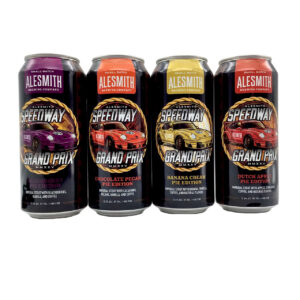 Milk stout, also called sweet stout or cream stout, includes lactose (milk sugar) in the brewing process. Since yeast can’t ferment lactose, it remains in the finished beer, adding body, sweetness, and a creamy texture that balances the roasted bitterness.
These stouts are sweeter and fuller-bodied than dry Irish stouts, typically ranging from 4% to 6% ABV. The lactose creates a smooth, almost velvety mouthfeel and contributes flavors reminiscent of milk chocolate, caramel, and cream. Left Hand Milk Stout is a widely available example that showcases the style beautifully.
Milk stouts became popular in England in the early 1900s and were sometimes marketed as nutritious, even for nursing mothers (hence the name). While those health claims are long gone, the style remains popular for its approachable sweetness and balance. Note that milk stouts aren’t suitable for those with lactose intolerance.
Oatmeal Stout
Oatmeal stout incorporates oats into the grain bill, typically around 5% to 10% of the total. The oats don’t add much flavor, but they contribute significant body and a silky, smooth texture that makes these stouts feel luxurious.
The style dates back to late 19th-century England but nearly died out before being revived by craft brewers in the 1980s. Samuel Smith’s Oatmeal Stout helped reignite interest in this variation. These beers typically range from 4.5% to 7% ABV with a balanced flavor profile—roasted malt, chocolate, and coffee notes with a creamy, almost chewy mouthfeel.
Oatmeal stouts sit somewhere between dry Irish stouts and milk stouts in terms of sweetness. They’re roasty and complex but smoother and rounder than a dry stout, without the explicit sweetness of a milk stout. The oats create what brewers call “mouthfeel”—that full, satisfying texture that makes each sip feel substantial.
Imperial Stout
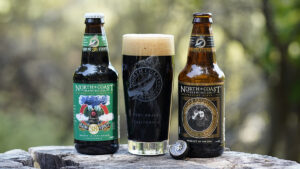 Imperial stout represents the bold, high-octane end of the stout beer spectrum. These powerful beers typically range from 8% to 12% ABV, though some exceed 15%. The “imperial” designation indicates both higher alcohol content and more intense flavors across the board.
Originally brewed for Russian royalty in the 18th century, imperial stouts were designed to survive long journeys and provide warming comfort in harsh climates. Modern versions embrace this heritage with massive roasted malt character, often featuring dark fruit notes (raisins, plums, figs), intense chocolate and coffee flavors, and sometimes a pleasant alcoholic warmth.
Many imperial stouts are aged in bourbon, whiskey, or wine barrels, which adds vanilla, oak, and spirit characteristics. These barrel-aged versions have become highly sought after in the craft beer world. Imperial stouts are rich, complex, and meant for slow sipping rather than session drinking. They often improve with age, developing smoother, more integrated flavors over months or even years.
Foreign Extra Stout and Tropical Stout
These styles emerged from brewing stout beer for export to warmer climates. Foreign extra stout (sometimes called export stout) was brewed stronger and more heavily hopped to survive long sea voyages to destinations like the Caribbean, Africa, and Southeast Asia.
Foreign extra stouts typically range from 6.5% to 8% ABV with a more pronounced hop bitterness than other stouts and sometimes fruity or tart notes from the yeast. Guinness Foreign Extra Stout, available in many international markets, exemplifies this style.
Tropical stout evolved as local breweries in warm climates began producing their own versions. These often feature higher sweetness, sometimes using local sugars, and may taste slightly different from their European ancestors. Dragon Stout from Jamaica and Lion Stout from Sri Lanka showcase this tropical interpretation.
Pastry Stout
Pastry stout is a modern innovation that treats stout beer like a liquid dessert. These beers incorporate additions like vanilla, coffee, chocolate, peanut butter, marshmallow, cookies, and more to create flavors reminiscent of actual pastries and sweets.
The term “pastry stout” emerged in the 2010s as craft brewers pushed creative boundaries. These beers are typically based on imperial stout recipes (high ABV, full body) and then heavily adjuncted with flavorings. Some include lactose for additional sweetness and body, blurring the line with milk stout.
Examples might taste like chocolate cake, s’mores, peanut butter cups, or banana bread. While purists sometimes debate whether these qualify as true stouts, they’ve become immensely popular and represent the experimental spirit of modern craft brewing. They’re dessert in a glass—sweet, rich, and best enjoyed in small pours.
How Stout Beer Is Made
Understanding the brewing process helps explain why stout beer tastes the way it does and what differentiates it from other styles.
The journey begins with grain selection. Like most beers, stouts start with a base of pale malted barley, which provides the fermentable sugars yeast needs to create alcohol. But the magic of stout comes from the specialty grains, particularly roasted barley.
Roasted barley is unmalted barley that’s been roasted at high temperatures (around 400-450°F) until it’s nearly black, similar to dark-roast coffee beans. This process creates hundreds of flavor compounds—coffee, chocolate, toast, and even slight burnt or smoky notes. The roasting also caramelizes sugars in the grain, though most of these sugars won’t ferment, contributing to the beer’s body and mouthfeel rather than alcohol content.
The brewing process itself follows standard ale procedures. The grains are mashed—steeped in hot water to convert starches to sugars. The resulting sweet liquid (wort) is separated from the grain, boiled with hops, then cooled and fermented with ale yeast.
Hops play a supporting role in most stouts. Rather than showcasing hop character, brewers use hops primarily for balance and preservation. The bitterness from roasted barley is substantial, so stouts don’t need as much hop bitterness as many other styles.
One distinctive element in many stouts, particularly Irish dry stouts, is the serving method. While most beers are carbonated with CO2, many stouts are served on a nitrogen-CO2 blend (usually 75% nitrogen, 25% CO2). Nitrogen creates smaller bubbles than CO2, producing that famous cascading effect and thick, creamy head you see when a Guinness is poured.
The nitrogen also creates a smoother, less acidic mouthfeel. This is why the same beer can taste quite different from a can with a nitrogen widget versus a regular bottle. The nitrogen doesn’t change the beer’s flavor, but it dramatically affects texture and perception.
For barrel-aged stouts, the finished beer is transferred to oak barrels (often previously used for bourbon or whiskey) and aged for months. During this time, the beer extracts vanilla, caramel, oak, and spirit flavors from the wood while oxygen slowly interacts with the beer, mellowing harsh edges and integrating flavors.
Food Pairing with Stout Beer 
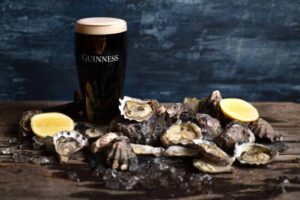
Stout beer’s rich, complex flavors make it incredibly versatile for food pairing. The roasted notes, varying sweetness levels, and full body can complement or contrast with many dishes.
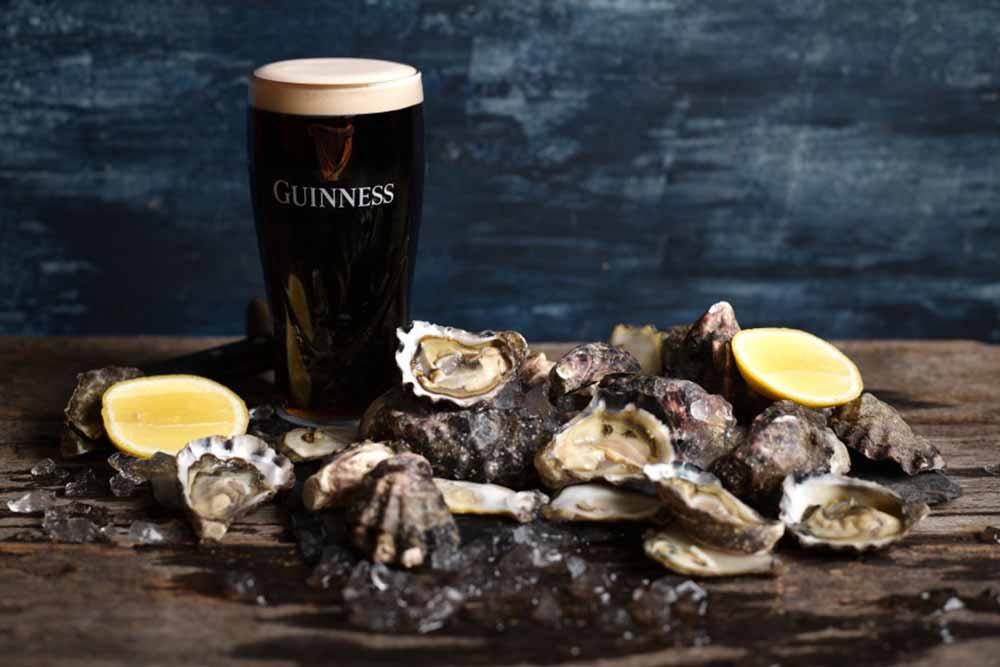
Oysters and seafood: This is a classic pairing, particularly with dry Irish stout. The beer’s mineral quality and slight bitterness cut through the briny richness of raw oysters. Guinness and oysters is traditional Irish pub fare, but try local variations too. The pairing also works with other seafood—smoked salmon, mussels, or fish and chips.
Grilled and smoked meats: The charred, roasted notes in stout beer mirror the flavors created by grilling and smoking. Barbecue brisket, pulled pork, or grilled steaks pair beautifully with imperial stouts or robust American stouts. The beer’s body stands up to rich, fatty meats while the roasted malt complements smoky char.
Chocolate desserts: This seems obvious, but it works remarkably well. Chocolate stout with chocolate cake, brownies, or chocolate mousse creates a harmony of flavors. The beer’s bitterness prevents the pairing from becoming cloying. Imperial stouts work especially well here, matching the intensity of rich desserts.
Stop by and explore our selection of stout beers. We carry everything from traditional Irish stouts to local craft innovations, and we’re always happy to help you find something new to try. Whether you’re a longtime stout lover or just getting started, there’s always another great stout waiting to be discovered.
Facebook Comments